A manufacturing company wins a big contract. The production requirements for the month increase, but the factory has no room and employees with experience or additional hours in the daytime. The addition of a second shift could help temporarily, but it could also create new work as well as training, supervision and quality-control requirements.
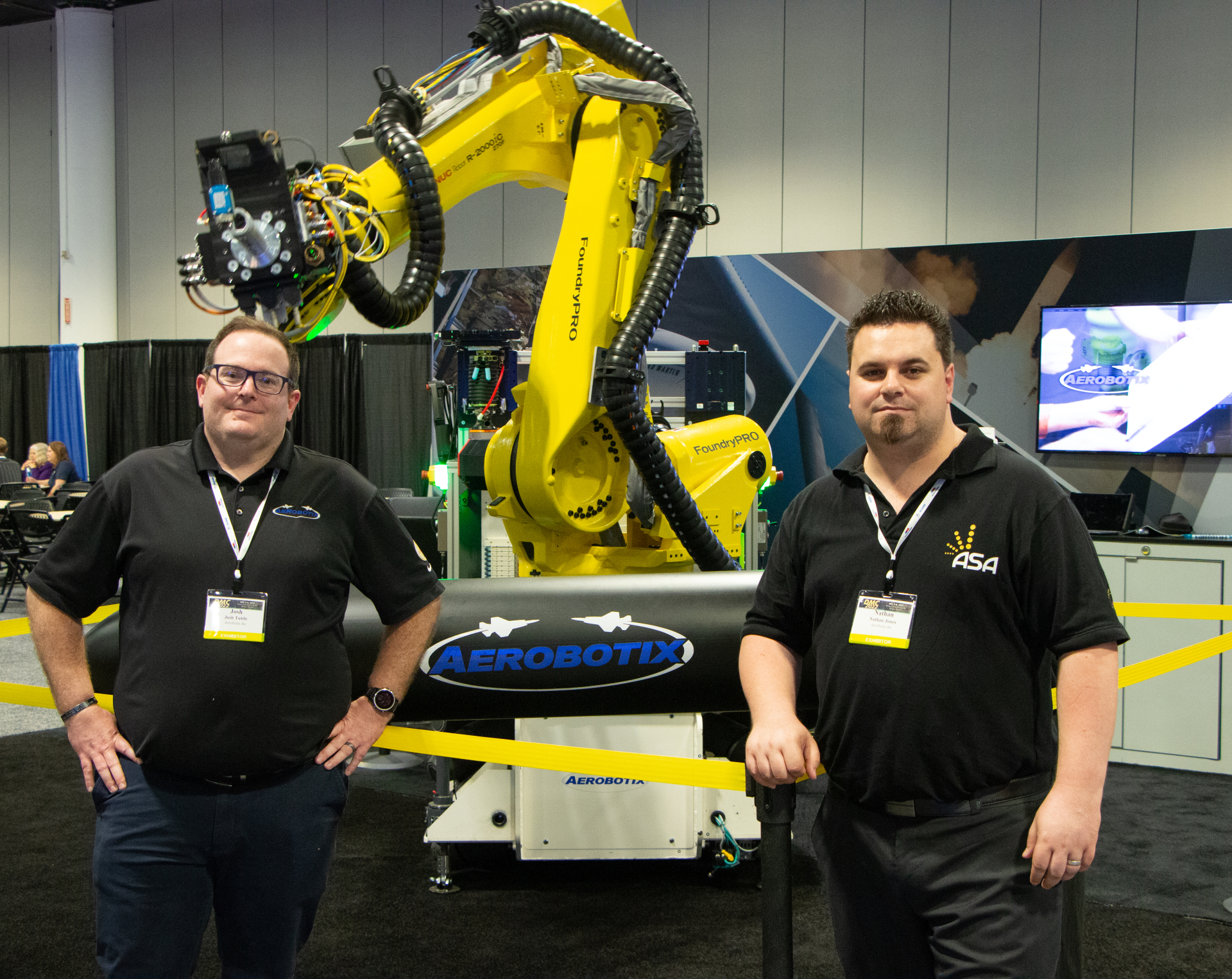
Image credit: automatedsolutions.com.au
These kinds of situations reveal an important purpose of robotic automation. It’s not just about replacing a person with an automated machine. If it is used correctly it can alter how companies use the capacity they already have.
Check out the Seconds that Change Between Products
Manufacturing inefficiency doesn’t have to be a major issue. Imagine an operator spending 15 seconds searching for a piece of equipment, 10 seconds applying the material, then several seconds transferring it. With a single component it’s a small difference. When repeated thousands of times however these seconds can add significant production time.
Wasted material is no different. A small amount of extra coating or dispensing materials over a long production line can lead to a significant expense.
Before making a decision on the equipment they will require, companies looking at robotic automation Australia can gain from analysing these tiny losses. ASA’s analysis of needs is designed to uncover problems with quality and bottlenecks, as also any other limitations in a plan.
A Robot must be able to integrate the Process Around It
A robot’s selection is only one option in the engineering process. Guardings, tools, controls sensors, conveyors, and fixtures are also necessary. Engineers must take into consideration the robot’s reach and payload, and how it will interact with its environment and move around.
ASA provides concept development, system design, CAD simulation, and offline programming as part of its plan to FANUC’s robotic automation. Engineers can look at system configurations and estimate the number of cycles required before the final system is put on the factory floor. It’s especially useful when there is a limited area or new robotics is required to be integrated with an existing production line.
Painting and Dispensing demonstrates why It’s Important to Repeat
Certain manufacturing processes demonstrate the importance of controlled movement. Imagine applying a protective coating to hundreds of components. The ability to finish components in a short time is the desired outcome. The distance, movement rate, and even the application needs be controlled starting from the beginning of the production line until the final.
ASA has experts who deal with paint and dispensing application across various industries, such as automotive and aeronautics. In these environments, industrial robotic automation can provide repeatable programmed movement while also reducing employee exposure to physically demanding or potentially hazardous processes.
An improved control over materials that are discarded can aid in productivity improvement by decreasing the amount of unneeded material that is consumed.
Even after installation the system will still require users
Automation does not completely eliminate the need for skilled manufacturing. Automation transforms the skills required to maintain and operate the manufacturing process.
Employees should be aware of how to safely operate equipment and recognize any abnormalities, troubleshoot faults, and perform appropriate maintenance. Programs and processes are able to be changed later if the production needs are changed.
ASA provides on-site training covering programming, safe operation, troubleshooting, and electrical and mechanical maintenance. The company also provides maintenance and support for checking the condition of equipment, and dealing with wear throughout the lifetime of the system.
Capacity refers to more than Working Faster
In Australia, expanding production capacity is not always about adding workers to repetitive tasks or purchasing larger structures. One of the best questions to ask is whether the current manufacturing process could be improved.
ASA has been working on and integration of automation solutions since 2002, and has been supporting companies in Australia and also projects around the world. Its method of analysis combines needs as well as engineering simulation. FANUC integration as well as training and maintenance.
The objective isn’t automation for the sake of it. A system that’s worthy of the gold it’s worth ought to offer tangible benefits to manufacturers, for example greater reliability, higher quality process, more secure processes and less waste.