A lift station might end up becoming a concrete structure filled with pumps, piping control valves and electrical equipment, however its efficiency is generally determined much earlier. The final design of a lift station is determined by many factors which include flow calculations, elevations on the site, system pressures as well as wastewater characteristics, peak times maintenance access, control systems and the capacity to come in the future.
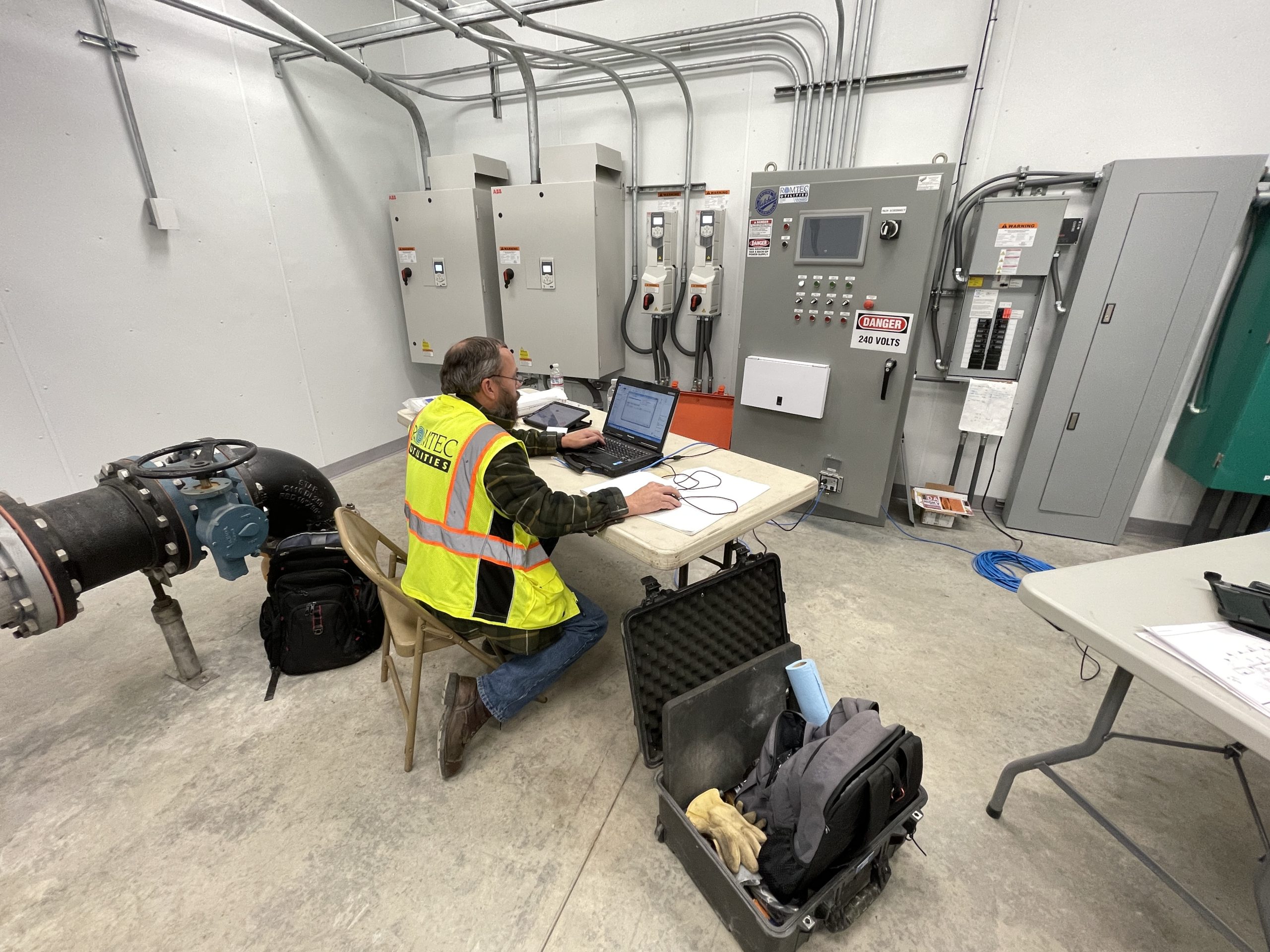
Image credit: romtecutilities.com
For project owners comparing the best lift station designers, the more useful question isn’t simply who can specify pumps. What is the best way to translate site conditions into a practical, complete system that is simple to install, maintain, and operate?
Gravity Limits Itself
Gravity is often the most effective way to move wastewater. However, terrain and building patterns can make it difficult. New commercial, residential, and industrial developments may be in a position that is too low, or too far away, or be in areas where the extension of gravity sewer infrastructure isn’t possible.
The lift station is the mechanism that transports the wastewater to the next collection point. The design of a lift station requires understanding both the normal and less favorable situations, for instance, peak inflows, pump maintenance equipment breakdown, any future growth in demand.
The most reputable companies for wastewater design should be able to evaluate the entire problem instead of simply treating the station.
Existing infrastructure can complicate the puzzle
The construction of new buildings isn’t the sole difficulty. Numerous municipalities have to upgrade or replace older stations in order to keep their essential wastewater infrastructure in good working order.
Existing wet wells, force mains electric services, controls, boundary lines for the site, as well as downstream infrastructure can constrain the new design. Engineers must decide what is left or replaced, and what must be upgraded, and what need to be replaced.
Romtec Utilities has experience in commercial, commercial, and private applications, as in retrofit and replacement projects. This enables pumping systems be adapted to the specific ownership and operation requirements of every project.
Stormwater is governed by different rules
The most effective developers of stromwater systems using the search terms that are provided will resolve a completely different hydraulic problem. Stormwater systems are subject to dramatic volume changes depending on rainfall, as well as other variables such as drainage area, capacity of detention, and the rate of discharge.
A station serving a detention basin, as an example it may be required to keep runoff temporarily and then pump it at the appropriate speed. Engineers need to consider the flow rate, conditions of the head, the demands of the environment, the flood management goals, and the features of the drainage system that is receiving.
Prefabrication allows you to transfer the work off site
The complexity of field assembly could lead to problems with scheduling, errors in installation, changes to orders and delays. Romtec Utilities uses substantial prefabrication prior to equipment arriving at the site of the project.
The process of completing more assembly and quality control tasks in a controlled environment can decrease the amount construction that must be done in the field. Romtec Utilities’s project-based approach can reduce the time required to put in certain kinds of equipment.
The process of commissioning is an integral part of engineering Success
A station doesn’t have to be verified simply because each component is installed. Romtec Utilities offers installation advisors to assist with construction which includes startup and control panel inspections and pump operation, system testing, and training for personnel. The documentation also provides operators with information that they can refer to when maintaining the system or contemplating any future expansion.
This final stage is important for owners who are searching for the most reputable lift station designs. The best engineering will produce more than an acceptable set of drawings. The owner should be left with a functional system with trained staff, helpful documentation, and equipment designed in accordance with the requirements the station will encounter in its daily operations.